This conversation guide, informed by research and guidance from research and practice experts, provides youth-supporting professionals with important context and guidance for having conversations with young fathers who experience the child welfare and/or justice systems. The conversation guide has the following goals:
- Foster meaningful, supportive conversations with young fathers about their experiences and/or needs in navigating health, human service, and employment/education systems.
- Increase awareness about and identify the needs of young fathers with experiences in the child welfare and/or juvenile justice systems.
- Identify opportunities to support and connect young fathers to resources.
This resource first reviews why it’s important to prioritize young fathers’ experiences and offers general considerations to help youth-supporting professionals engage with them. This resource then orients youth-supporting professionals to the conversation guide. At the end, we provide additional resources for supporting young fathers.
The Importance of Prioritizing Young Fathers
Experiencing pregnancy and parenthood are common among young men who experience the child welfare and/or justice systems.1,2,3 Data indicate that 15 percent of males who experience detention or residential placement have fathered a child.4 A study of high school students found that the odds of becoming a parent before age 25 were 70 percent higher for young men who had ever been arrested in comparison to peers who had never been arrested.5 Among a sample of youth transitioning to adulthood from foster care, about 17 percent of males reported fathering a child and 37 percent reported getting someone pregnant by age 21.6 Although much of the available research and programs designed for young parents focus on mothers,7,8 there is also extensive research on the benefits of father engagement on child development.9 When fathers are engaged, their children may demonstrate more positive academic, social, and emotional outcomes10,11—key factors to preventing risky behaviors in the short and long term.12 In addition, research indicates that when young parents are supported, they are more involved and confident as parents and demonstrate overall personal development.13,14,15
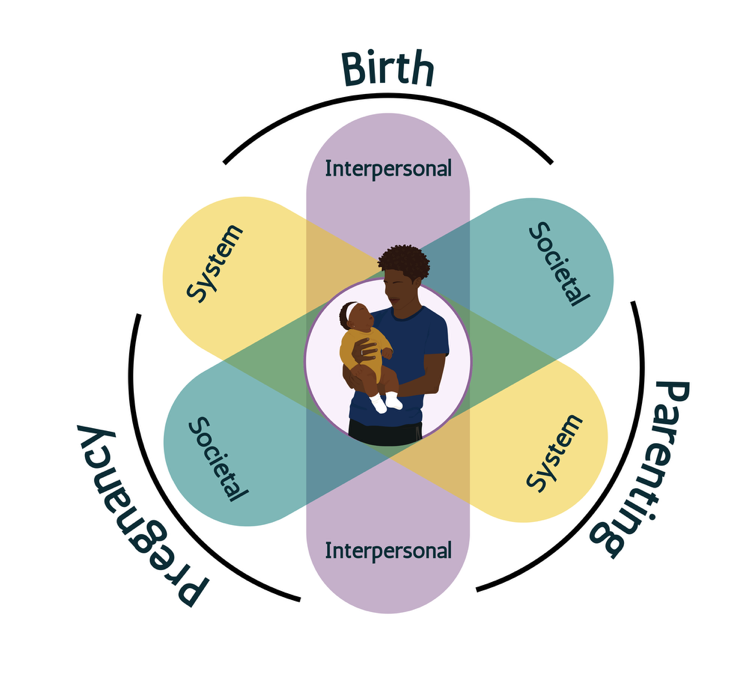
Despite the noted benefits of supporting young fathers, limited resources exist that are specific to their experiences. Based on Activate’s research summary focused on young fathers with experiences in the child welfare and/or juvenile justice systems, we know that young fathers receive less attention and support, in part due to societal attitudes around men and boys and perceptions of fatherhood.16,17 There also are systemic, interpersonal, and individual influences that shape how young men navigate and experience fatherhood.18 At each level, and depending on the age of their child, young fathers may experience unique barriers or facilitators that shape their ability to parent effectively.19,20 It is important for youth-supporting professionals working in the child welfare and/or juvenile justice systems to understand and identify the specific needs of young men who are fathers.
How to Engage With Young Fathers
The following key considerations can help youth-supporting professionals prepare before engaging young fathers in discussions about their experiences and needs.
- Become familiar with the young father: Gather information about the young father from existing case files or by conducting intake assessment interviews to understand their past experiences, history, and intersecting identities. The linked document is an example guide of how to collect information on a young person. It will help to be aware of their relationship dynamics with their own family, co-parent, and other people in their life. Research on young fathers with systems involvement indicates high levels of exposure to trauma and increased mental health and substance use challenges, which impact fathers’ behaviors and experiences.21,22 Building a rapport with the young father will help the youth-supporting professional gain a clear understanding, rather than make assumptions, and to be open to fathers’ perspectives.
- Think about where the conversations are held: Confidentiality and safety are critical issues for young people, but especially for those with experiences in the child welfare and/or juvenile justice systems. Young fathers report being distrustful of professionals and systems,23 so it is necessary to create a safe space and communicate the purpose of having discussions about what supports they need along their parenting journey.
- Realize that discussions about fatherhood might feel uncomfortable for young fathers: Young men report often being dismissed or forgotten about in their roles as fathers,24 and they may need time and space to feel comfortable discussing their needs. In such cases, to build rapport and trust, youth-supporting professionals should consider facilitating group sessions among young fathers. Studies of fatherhood programs reveal the benefits and value of support groups for young fathers, particularly when led by other fathers.25,26 As a result, youth-supporting professionals may experience greater strides and ease in connecting with the young father individually after engaging them in group discussions.
- Focus on fathers’ assets in addition to their needs: Young men with experiences in child welfare and/or juvenile justice systems are often viewed negatively by society.27,28 Youth-supporting professionals can consider the application of a Positive Youth Development approach to their work with young fathers involved with the child welfare and/or justice systems.29 For example, professionals can reiterate young fathers’ value to their families, affirm their desires to be active and involved fathers, and recognize their strengths and resilience.
Using the Conversation Guide
Several practice resources focus on supporting young fathers’ co-parenting and interpersonal relationships. This conversation guide is intended to help youth-supporting professionals working with young fathers in child welfare and/or juvenile justice systems navigate the multiple systems with which young fathers interact. Key systems include health, human services, employment, and education. For more information about young fathers’ experiences with each of these systems, see the full brief on Understanding Young Fatherhood Within Child Welfare and Juvenile Justice Systems.
Break the ice
To start, youth-supporting professionals should break the ice by acknowledging common emotional experiences that young fathers may have. This is called normalizing—a counseling technique that helps the young person feel seen and validated that their feelings or behaviors are common, and not unusual. Additionally, general questions or comments can create a level of comfort, trust, and rapport. Consider the following prompts as warm-ups and a way to get familiar with the young father.
- It’s common for young fathers to feel unsure or sense pressure from the people around them. How are you feeling mentally or emotionally?
- Many young fathers are trying to figure themselves out individually, while also trying to learn and raise their children—which can be difficult at times. Tell me about your child(ren). How would you describe their personality?
- Being a parent has both ups and downs. What are the best parts of being a father for you? What have been the most difficult parts of becoming (or being) a father?
Talk about systems
After breaking the ice and establishing a rapport, it is important to find out what systems young fathers need support with (i.e., health, human services, employment, or education). The sections below provide examples of system-specific discussion topics and prompts to initiate conversations, depending on where the young father is on their parenting journey.
The prompts address:
 Pregnancy
 Birth/Postpartum
 Parenting
Based on available research, the topics provided represent critical discussions to have with young fathers and may lead to other topics not mentioned in the tool. It is important to broach these topics with care, sensitivity, and authenticity. The sample prompts intentionally focus on the young father—on his needs, perspectives, and experiences. When relevant and necessary, youth-supporting professionals can frame questions about co-parenting dynamics or other family members in a way that is needed to better understand the context. As youth-supporting professionals engage in conversations, they may not have direct or immediate responses for the young father on every topic. Nonetheless, these conversations create an opportunity to jointly identify and research available resources and/or referrals. In some cases, the conversation topics are intended to help the young father problem-solve and/or develop their own action plan.
Plan for next steps
Each conversation should end with next steps for either the young father and/or the youth-supporting professional. Whenever possible, invite the young father to share their thoughts on the conversation and on any next steps they would like to prioritize. As a guiding principle, youth-supporting professionals should remember that the young father is the expert on their own life and should respect the father’s feelings and decisions. Professionals helping young fathers navigate various systems should consider the following steps:
- Youth-supporting professionals should talk with their colleagues and other professionals about what they learn from young fathers. As noted in the available research about young fathers’ personal experiences, there is still more to learn and understand about fatherhood experiences in adolescence. By discussing barriers and facilitators that young fathers generally experience in different systems, youth-supporting professionals can help address any challenges and better support young fathers. There may be opportunities, both organizationally and within the community, to compile resources and services that address young fathers’ needs.
- Youth-supporting professionals should also maintain ongoing conversations with fathers. Young fathers, especially those with experiences in the child welfare and/or juvenile justice systems, encounter several challenges related to parenthood and in navigating the transition from adolescence to adulthood.30,31 Ongoing conversations and check-ins with young fathers are critical to build rapport and ensure that young fathers receive the necessary support to navigate multiple systems.
This conversation guide is intentionally broad to maximize flexibility and help youth-supporting professionals tailor conversations to young fathers’ varied experiences and identities. For example, young fathers with multiple children may need to discuss a variety of topics. In addition, the guide includes prompts that use positive framing and focus mainly on the young father’s needs and experiences. We encourage youth-supporting professionals to adopt this framing in their interactions with young fathers.
Health Care Systems
Example pregnancy, birth, postpartum and parenting topics
- Prenatal care
- Postpartum depression
- Substance use
- Child wellness visits
- Stress and well-being
- Mental health/Therapy
Example Prompts
- Have you accompanied the mother to any pregnancy-related medical visits? What was that like for you?
- What questions do you have about the baby’s development during the pregnancy?
- How are you feeling mentally or emotionally since learning about the pregnancy?
- How are you coping with everything? How do you cope with stress?
- [Baby not born] What, if any, conversations have you had with the mother about the birthing plan? What support would you like to help you feel prepared?
- [Baby is born] How did everything go with the birth?
- Have you and the mother identified a regular doctor/pediatrician for the baby?
- How have you been doing mentally since the birth of the baby? What about the mother?
- Is your child enrolled in a health insurance plan? How about you?
- Where does your child go for check-ups? How is that working?
- Have you been to the doctor for check-ups or emergency care this year?
- How are you handling the stress of being a parent?
Human Services
Example pregnancy, birth, postpartum and parenting topics
- Eligibility of services
- Legal rights
- Custody and visitation
- Paternity
- Parenting support
- Receipt of public assistance
- Social support
- Childcare
Example Prompts
- In some cases, soon-to-be parents are eligible for programs before the baby is born. Has anyone talked with you about this?
- Are you aware of your rights as a parent?
- Do you feel you have the information and resources you need to prepare for the baby’s birth?
- Being listed as the father on the baby’s birth certificate has a lot of implications. Have you talked about a plan with the baby’s mother?
- Are you receiving any support such as WIC, SNAP, TANF, housing assistance, or energy assistance? If not, have you checked to see if you are eligible?
- How have you been handling the newborn/infant phase?
- What arrangements do you have regarding the custody of the baby? Do you need legal support to navigate that conversation with the mother?
- What public assistance have you received since becoming a parent? If none, have you checked to see if you are eligible?
- What, if any, support have you received as a father?
- What is your current childcare situation? How is it working? What would an ideal situation look like?
Educational and Employment
Example pregnancy, birth, postpartum and parenting topics
- Employee parenting benefits
- School/work experience
- Work/school schedule
- Career aspirations
- Child support
- Education goals
- Barriers to meeting goals
Example Prompts
- What are your education or employment goals now that you are expecting a baby?
- Who can you talk with about child support and your legal rights and obligations?
- Have you looked into any resources your job or school has for parents? (e.g., daycares, excused absences, paid leave etc.)
- Has your time spent at work or school changed since your child was born? What is your next step for staying on track with work and/or school?
- How are managing the financial responsibilities of caring for your child?
- What is your current or most recent work experience? How about education?
- Do you have specific career or educational plans or goals?
- Are you aware of the supports available through your school or job for parents?
- How have you found balancing parenting and working/pursuing education? What kinds of support or services would help improve that balance?
Additional Practice Resources and Tools
Young fathers do not have universal contexts and experiences. As youth-supporting professionals engage with young fathers, the following research-informed resources can further increase their knowledge and understanding of young fathers’ specific needs.
- Casey Family Programs. What are some strategies for engaging fathers in child welfare?
- Zero to Three. Helping Young Fathers Across the Transition to Parenthood: A Rock or a Rolling Stone?
- Center for the Study of Social Policy. Changing Systems & Practice to Improve Outcomes for Young Fathers, Their Children, & Their Families
- National Responsible Fatherhood Clearinghouse. Responsible Fatherhood Toolkit: Resources from the Field
- Office of Adolescent Health. Resources for Serving Young Fathers